
The Beauty of Simplicity: Why Scallion Oil Noodles Are So Loved
If there’s one dish that perfectly captures the magic of Chinese home cooking, it’s scallion oil noodles (葱油拌面) — a humble bowl of noodles transformed by the aroma of sizzling scallion oil. Originating from Shanghai, this dish is a favorite among busy home cooks for its minimal ingredients, quick preparation, and deeply comforting flavor.
It’s amazing how something so simple can taste so layered. When hot oil meets finely chopped scallions, it creates a fragrant base that smells like the heart of a Chinese kitchen. That oil is then seasoned with soy sauces, a pinch of sugar, and salt, coating each strand of noodle in a glossy, savory, and subtly sweet sauce that feels both rich and refreshing.
This dish was a staple during my childhood — my mom would make it when we needed a quick lunch or late-night snack. I remember the sizzling sound of oil being poured over scallions and how instantly the whole kitchen filled with that intoxicating green onion aroma. It’s one of those sensory food memories that never leaves you.
What Makes This Dish So Special
- It’s fast: Ready in under 15 minutes from start to finish.
- It’s budget-friendly: All ingredients are pantry staples — nothing fancy required.
- It’s aromatic: The hot oil infuses the scallions, releasing layers of deep flavor.
- It’s flexible: Serve as-is for a light meal or top with a fried egg, tofu, or shredded chicken for extra protein.
- It’s nostalgic: Every bite carries the taste of homemade comfort food, just like Shanghai street noodles.
Whether you’re cooking for one or looking for a simple dish to impress someone, these noodles are a foolproof choice.
Ingredients You’ll Need
What’s beautiful about scallion oil noodles is that the ingredient list is refreshingly short — yet the flavor payoff is huge.
- Fresh wheat noodles: Use Shanghai-style noodles or any thin Chinese wheat noodles. If you can’t find fresh, dried ones work too — just adjust cooking time.
- Scallions (green onions): The star of this dish. Chop them finely so they cook evenly when hot oil is poured on top.
- Neutral oil: Peanut, canola, or grapeseed oil work best because they won’t overpower the scallion flavor.
- Soy sauces: A mix of light soy sauce (for saltiness) and dark soy sauce (for color and richness).
- Sugar & salt: Balances out the soy sauce and enhances the caramelized aroma of the scallions.
- Optional: Oyster sauce adds depth and umami, while chili crisp or sesame seeds make a great finishing touch.
Step-by-Step Instructions
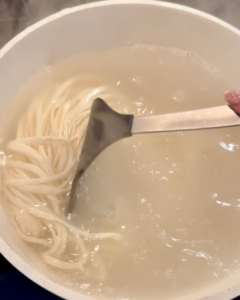
1. Cook the Noodles
Bring a large pot of water to a boil and cook the noodles according to the package instructions. You’ll want them slightly under al dente, since they’ll absorb a bit of heat and sauce later. Drain and toss with a few drops of oil to prevent sticking.
2. Prepare the Scallions
Finely chop 5–6 scallions and place them in a large heatproof bowl — glass or stainless steel works best. Make sure the bowl is large enough to hold the oil and noodles later.
3. Heat the Oil
In a small saucepan, heat 4 tablespoons of neutral oil over medium-high heat. You’ll know it’s ready when it starts shimmering. A quick test: dip a wooden chopstick into the oil — if tiny bubbles form immediately, it’s hot enough.
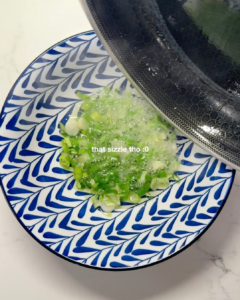
4. Pour the Hot Oil Over the Scallions
This is the most satisfying part. Carefully pour the hot oil directly over the scallions. You should hear a satisfying sizzle — this flash-cooks the scallions and releases all their aroma into the oil.
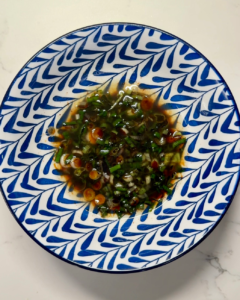
5. Add the Seasonings
Immediately stir in 1½ tablespoons of light soy sauce, 1 tablespoon of dark soy sauce, 1 teaspoon of sugar, and ½ teaspoon of salt. If using oyster sauce, add it now for an extra hit of umami. Stir until the sugar dissolves and everything combines into a glossy sauce.
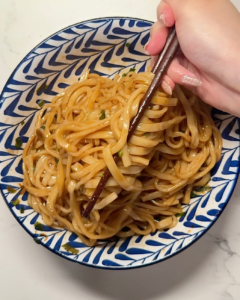
6. Toss in the Noodles
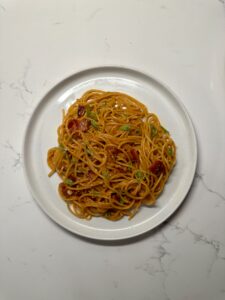
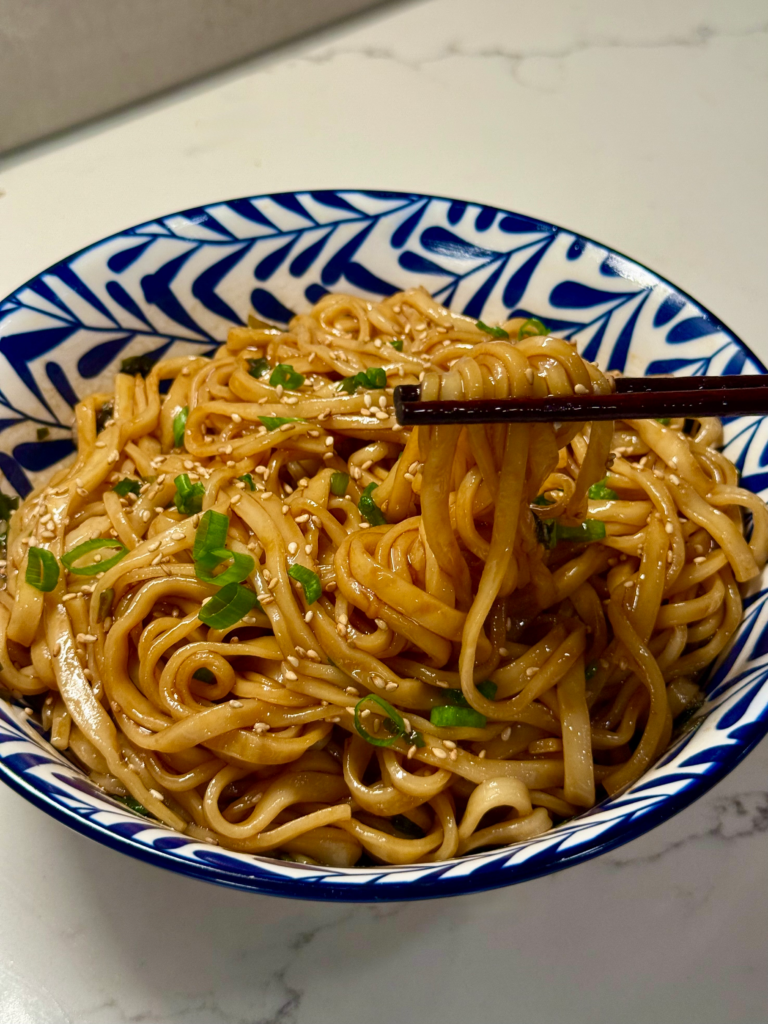
Add the cooked noodles to the scallion oil mixture and toss well using tongs or chopsticks. Make sure every strand is evenly coated. The noodles should take on a rich brown color with a silky sheen.
7. Serve and Enjoy
Divide into bowls and top with chili crisp, toasted sesame seeds, or a soft-boiled egg. Serve immediately while the noodles are still hot and fragrant.
Tips for Perfect Scallion Oil Noodles
- Get the oil temperature right: If it’s too cold, you won’t get that signature sizzle; if it’s too hot, the scallions will burn. The oil should shimmer but not smoke.
- Use fresh scallions: Avoid wilted ones — freshness makes a big difference in aroma and color.
- Customize the texture: If you like a more chewy noodle, use fresh Shanghai noodles or even udon. For a lighter version, try somen or thin ramen noodles.
- Serve immediately: The fragrance is strongest right after mixing. The longer the noodles sit, the more the scallion flavor fades.
- Batch-make scallion oil: You can make a large jar of scallion oil by heating oil with scallions and straining it. Use it on rice, dumplings, or veggies.
Storage and Reheating
Scallion oil noodles are best eaten fresh, but you can store leftovers in an airtight container for up to 2 days in the fridge. To reheat, drizzle with a bit of extra soy sauce or hot oil and warm in the microwave for 30–45 seconds.
Avoid reheating on the stovetop, as the scallions may overcook and lose their fresh flavor.
Serving Suggestions
Here are a few ways to make your scallion oil noodles even more exciting:
- Add protein: A fried egg, tofu cubes, shredded chicken, or pork belly slices make great toppings.
- Add greens: Toss in blanched bok choy, spinach, or Chinese broccoli.
- Add heat: Mix in a spoonful of chili crisp, chili oil, or Lao Gan Ma.
- Make it fusion: Add a drizzle of sesame paste for a nuttier taste, or try topping with crispy shallots for extra crunch.
Frequently Asked Questions
Q: Can I make scallion oil noodles vegan?
Yes! Just skip the oyster sauce or substitute with mushroom sauce or a few drops of sesame oil.
Q: Can I use olive oil instead of neutral oil?
I don’t recommend it — olive oil has a strong flavor and a low smoke point, which can overpower the scallions. Stick with peanut or canola oil for authenticity.
Q: What’s the difference between light and dark soy sauce?
Light soy sauce adds saltiness and umami, while dark soy sauce gives the noodles their deep brown color and a hint of sweetness. You really need both for the perfect balance.
Q: Are scallion oil noodles served hot or cold?
Traditionally they’re served hot, but in the summer, you can let the noodles cool slightly and serve them at room temperature.
Q: Can I make the sauce ahead of time?
Absolutely! You can prepare the scallion oil sauce and refrigerate it for up to a week. Just reheat slightly before tossing with freshly cooked noodles.
Scallion Oil Noodles (葱油拌面)
Ingredients
Method
- Bring a large pot of water to a boil and cook noodles until al dente. Drain and set aside with a drizzle of oil.
- Place finely chopped scallions in a large heatproof bowl.
- Heat 4 tbsp neutral oil in a small saucepan over medium-high heat until shimmering.
- Pour hot oil carefully over the scallions — you should hear a sizzle.
- Add light soy sauce, dark soy sauce, sugar, salt, and optional oyster sauce. Stir to combine.
- Add cooked noodles to the scallion oil and toss evenly.
- Garnish with chili crisp or sesame seeds and serve immediately.
Nutrition
Notes
- Oil temperature is key — shimmering but not smoking.
- Add toppings like fried egg or tofu for a heartier version.
- Best enjoyed immediately while hot and fragrant.