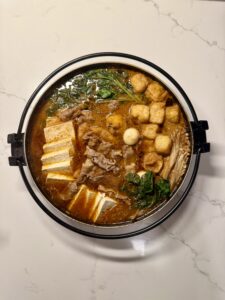
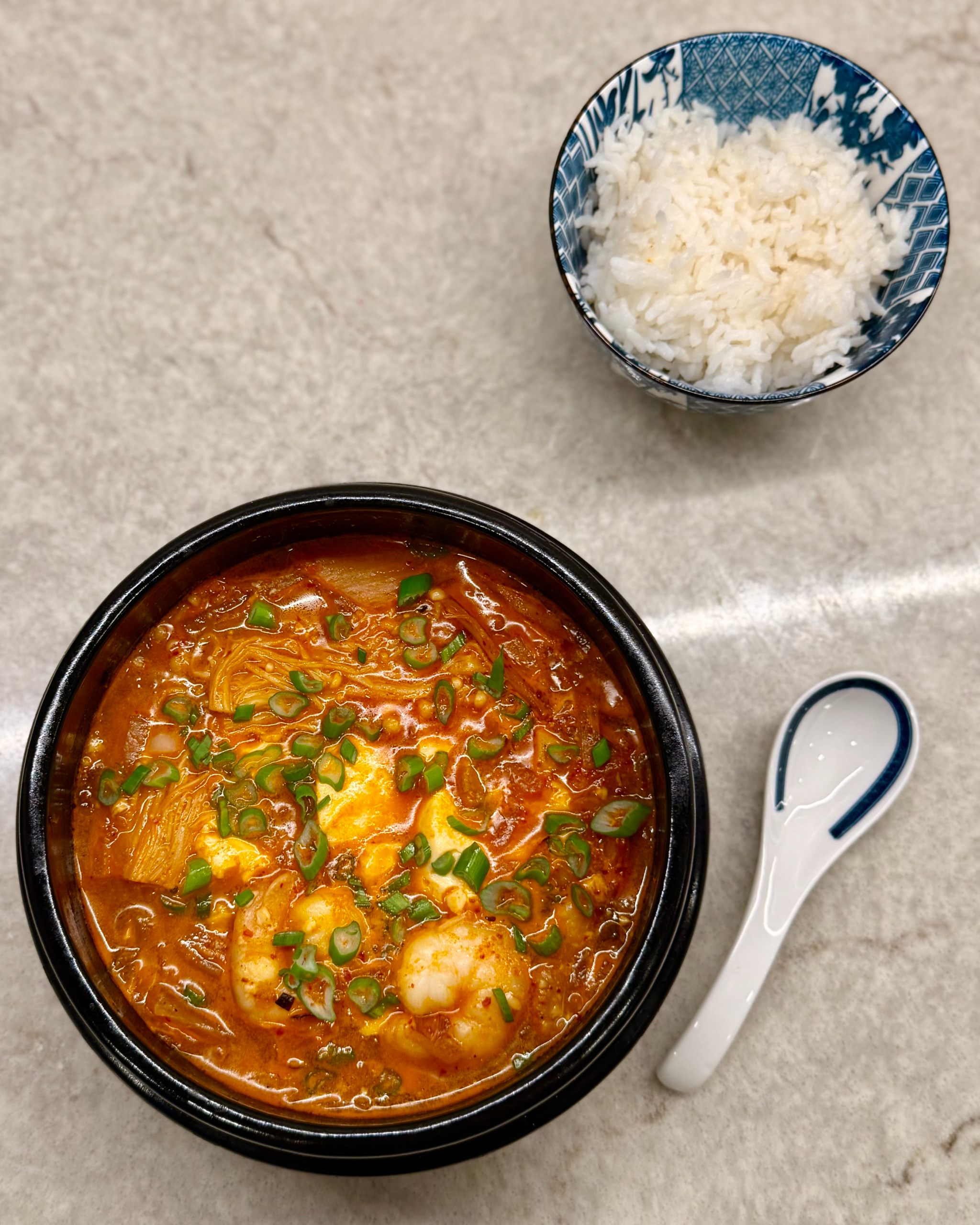
For those looking to recreate this cozy dish, I’ll share my favorite sundubu jjigae recipe that you can easily follow at home. Sundubu jjigae (순두부찌개) is one of Korea’s most beloved comfort dishes—a spicy, bubbling stew made with silken tofu, kimchi, and your protein of choice. It’s cozy, savory, and incredibly easy to make at home in under 30 minutes.
“Sundubu” means extra-soft tofu, and “jjigae” means stew. This dish is commonly served in a sizzling hot stone pot, with a raw egg cracked in just before serving. It’s bold, warming, and perfect with a bowl of steamed rice.
This is one of my ultimate comfort foods. When I used to live in Boston, winters were long, cold, and dark. On those nights I would make a pot of sundubu jjigae with pork belly and kimchi—it always brought me warmth and comfort. The combination of spicy broth, creamy tofu, and a soft egg on top just hits the spot every single time.
🔄 Customization Ideas
- Proteins: Try shrimp, clams, mussels, squid, or ground beef
- Vegetarian version: Use mushrooms (shiitake, enoki, oyster) and veggie broth
- Less spicy: Skip gochugaru or use less gochujang
- More umami: Add 1/2 tsp fish sauce or soy sauce
- Extra silky: Don’t over-stir the tofu to keep it cloud-like in texture
Recipe Tips
- Use fermented kimchi (sour/tangy) for the most flavor
- Korean sundubu tofu (in tubes) is creamier than regular silken tofu
- For best presentation, crack the egg right before serving in the hot broth
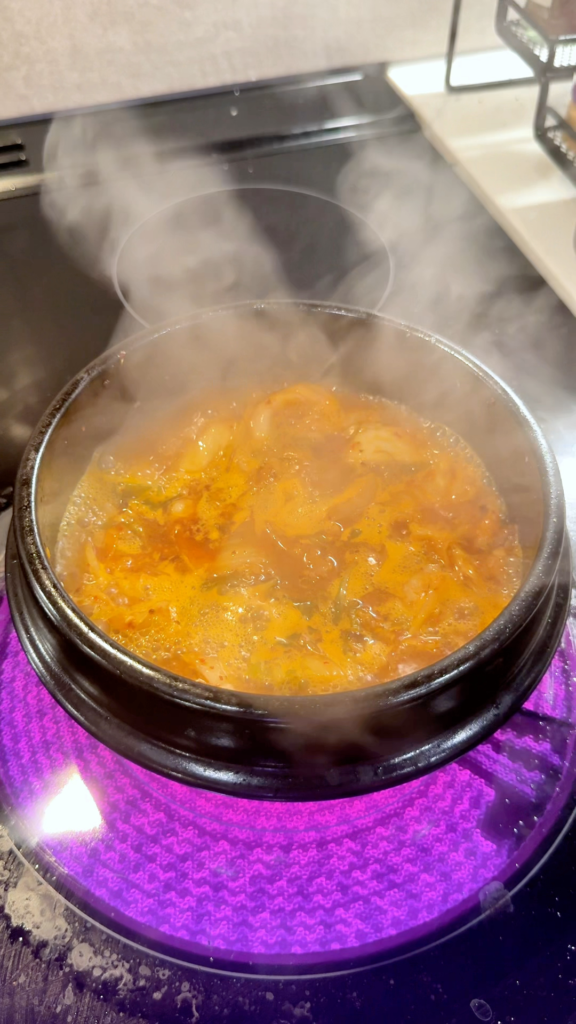
- Traditional ttukbaegi (stone pot) will keep the stew hot and bubbling – here is the link to the one that I use!
FAQ
Is sundubu jjigae spicy?
Traditionally, yes — it’s made with Korean red pepper flakes (gochugaru) and gochujang. But you can easily reduce the spice level by using less of either, or skip them altogether for a milder version.
Can I make sundubu jjigae vegetarian or vegan?
Absolutely! Use a rich vegetable broth, skip the anchovy or fish-based stock, and load it up with mushrooms like shiitake, enoki, or oyster. You can also add zucchini or soft tofu to keep it hearty and satisfying.
What kind of tofu should I use?
The best option is Korean sundubu, which comes in tubes and is softer and creamier than regular silken tofu. If you can’t find it, regular silken or soft tofu will work too—just avoid firm tofu.
Do I need a Korean stone pot (ttukbaegi) to make it?
No, but using a ttukbaegi will help keep the stew hot and bubbling when served. A small saucepan or clay pot works just fine.
What protein should I add?
You can use pork belly, ground beef, shrimp, squid, mussels, or clams. For vegetarian versions, go for mushrooms and tofu only. Just sauté the protein first to build flavor before adding the broth.
Can I add an egg?
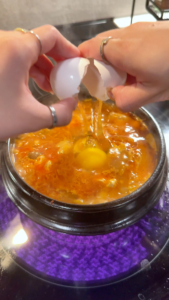
Yes! Crack a raw egg into the center of the bubbling stew right before serving. The residual heat gently cooks the egg and adds richness to the broth.
What should I serve this with?
Always with steamed white rice. You can also serve it alongside Korean side dishes (banchan) like kimchi, pickled radish, or seasoned spinach.
How long does it take to make?
Under 30 minutes from start to finish — perfect for a cozy weeknight dinner.
Can I meal prep or store leftovers?
You can make the base ahead of time, but it’s best enjoyed fresh. If storing, keep the tofu and broth in an airtight container in the fridge for up to 2–3 days. Reheat gently on the stove and crack in a fresh egg if desired.
Video Tutorial
Checkout the video that I made below as a video guide 🙂
Sundubu Jjigae (Korean Soft Tofu Stew)
Ingredients
Equipment
Method
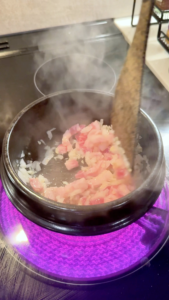
- Sauté the base: Heat oil in a small pot over medium heat. Add the pork belly and cook until golden and slightly crispy. Add the onion and garlic and cook for 1-2 minutes until fragrant.
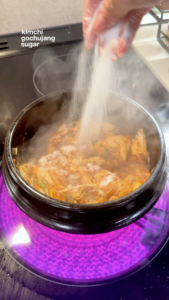
- Add flavor: Stir in gochujang, chopped kimchi, and sugar. Cook for 1-2 minutes to deepen the flavor.
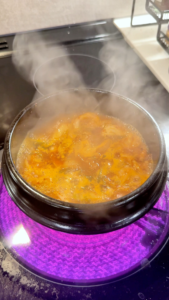
- Add broth: Pour in your broth or stock. Bring to a simmer and cook for 6–8 minutes, allowing the flavors to meld.
- Add tofu: Spoon the soft tofu into the stew, breaking it up slightly while keeping large chunks. Simmer for another 3–4 minutes.
- Finish with an egg: Turn off the heat and crack in an egg. Let the residual heat gently cook it, or cover with a lid for 1–2 minutes.
- Optional toppings: Add a pinch of gochugaru for heat, sliced green onions, or a drizzle of sesame oil.
- Serve: Serve bubbling hot with steamed white rice on the side.

Nutrition
Notes
-
- Use fermented kimchi (sour/tangy) for the most flavor
-
- Korean sundubu tofu (in tubes) is creamier than regular silken tofu
-
- For best presentation, crack the egg right before serving in the hot broth
-
- Traditional ttukbaegi (stone pot) will keep the stew hot and bubbling – here is the link to the one that I use!