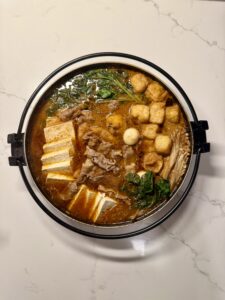
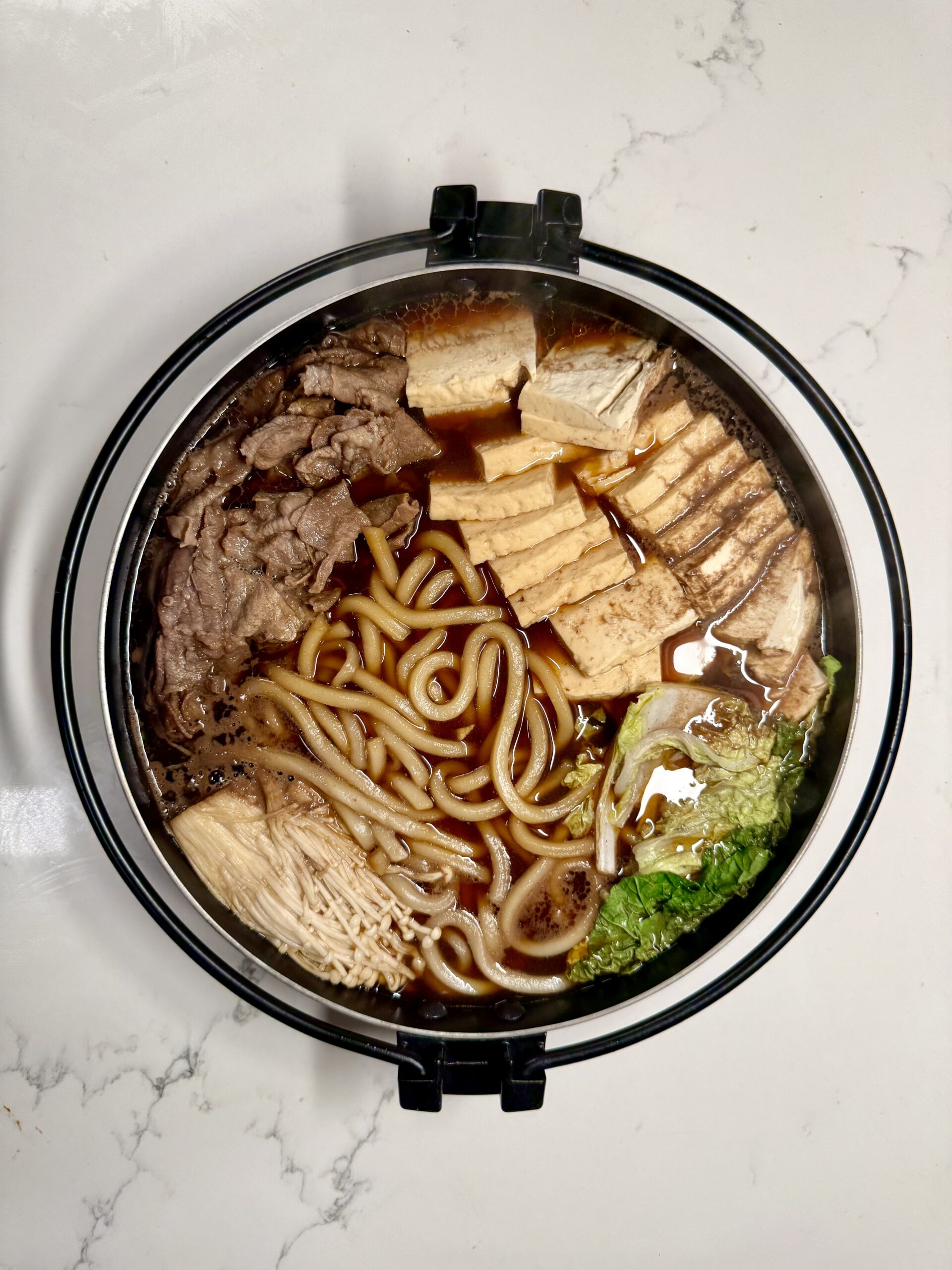
There are certain dishes that instantly transport me back to Japan — and sukiyaki hotpot is one of them. When I first had sukiyaki during my trip to Tokyo, I was completely mesmerized by how comforting and flavorful it was: tender beef simmering in a sweet-savory broth, paired with tofu, mushrooms, and crisp vegetables, all dipped into creamy raw egg for the perfect bite.
When I got back home, I missed it so much that I decided to recreate sukiyaki at home. But since I didn’t have much time that night, I went for what I call the “lazy way”—arranging everything in the pan and letting it all cook together in the sauce. Later, I also tried the traditional Japanese method, where you sear the beef first and slowly add ingredients one at a time for that true restaurant-style experience.
Below, I’ve included both versions in this sukiyaki hotpot recipe — whether you’re craving a quick weeknight comfort meal or a slow, interactive dinner, you’ll find both delicious in their own way.
This cozy Japanese hotpot is perfect for sharing on a chilly evening and can easily be customized with your favorite vegetables or noodles. If you’ve never tried making sukiyaki before, this recipe will guide you through every step.
What Is Sukiyaki Hotpot?
Sukiyaki (すき焼き) is a traditional Japanese nabemono (hotpot) dish made by simmering thinly sliced beef, tofu, mushrooms, and vegetables in a sweet and savory broth called warishita — a blend of soy sauce, mirin, sake, and sugar. The ingredients are typically cooked right at the table, allowing everyone to enjoy freshly simmered bites dipped in raw beaten egg (optional but highly recommended for authenticity).
Why You’ll Love This Sukiyaki Hotpot Recipe
- 🥩 Restaurant-quality flavor at home
- 🍄 Customizable with your favorite veggies and proteins
- 🍲 One-pan meal — easy cleanup and beautiful presentation
- 🇯🇵 Authentic warishita sauce made with simple pantry ingredients
Key Ingredients for Sukiyaki
- Thinly sliced beef: Look for shabu-shabu or sukiyaki beef (ribeye or sirloin works best).
- Napa cabbage: Adds sweetness and balances the salty-sweet sauce.
- Tofu: Firm tofu holds up best in hotpot.
- Mushrooms: Enoki, shiitake, or oyster mushrooms for umami depth.
- Udon noodles: Optional, but a comforting way to soak up the sauce.
- Warishita sauce: A blend of soy sauce, mirin, sake, and sugar — the heart of this dish. You can also buy warishita sauce at the store (see link), however I personally like to just make it at home.
💡 Substitutions: They’re not traditional in sukiyaki, but if your grocery store doesn’t carry napa cabbage or enoki mushrooms, you can replace them with baby bok choy, spinach, or oyster mushrooms instead.
How to Make Sukiyaki Hotpot at Home
Below is the “lazy” version of making sukiyaki. If you want to make sukiyaki with a more traditional Japanese experience, I’ve included the step by step instructions for that in the recipe card at the bottom of this page.
- Make the Warishita Sauce
In a bowl, mix together soy sauce, mirin, sake, sugar, and water (if needed to dilute). Stir until the sugar dissolves.
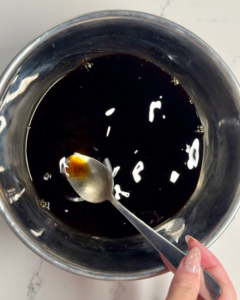
2. Prepare the Ingredients
Slice tofu into cubes, rinse and trim the mushrooms, and chop cabbage into 2-inch pieces. Loosen udon noodles if frozen.
3. Assemble the Hotpot
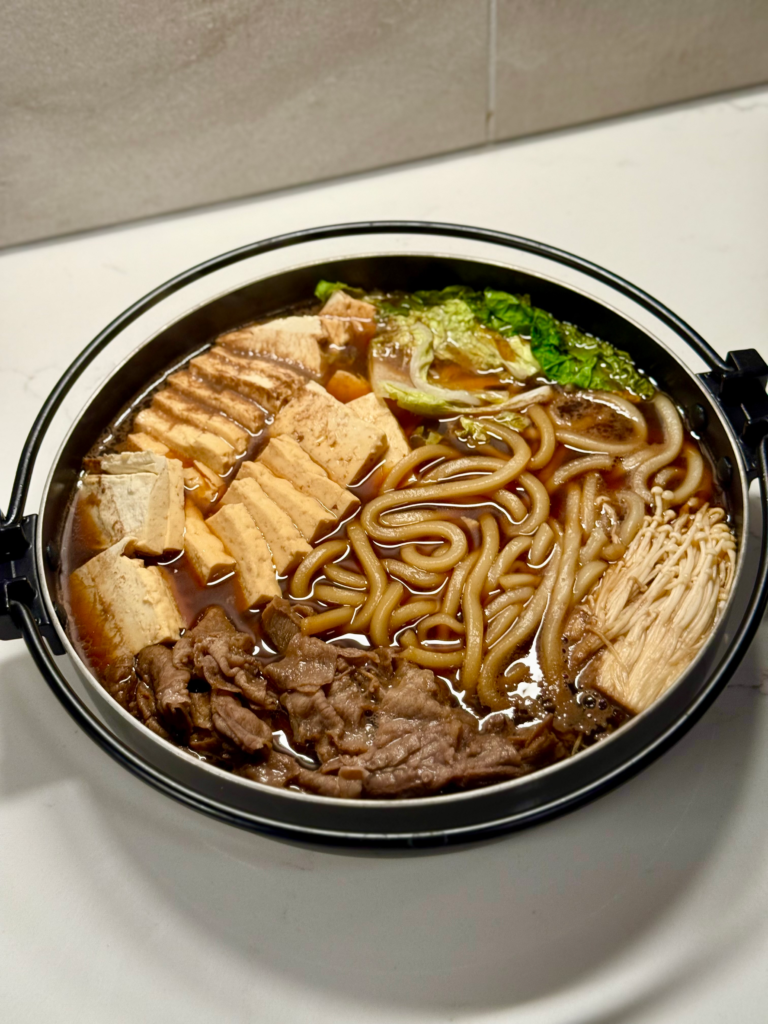
In a shallow skillet or sukiyaki pan, arrange beef, tofu, mushrooms, cabbage, and noodles in neat clusters.
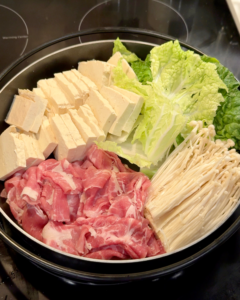
4. Add the Sauce & Cook
Pour the sukiyaki sauce evenly over the ingredients. Cover and simmer over medium heat for 8–10 minutes, or until everything is cooked through.
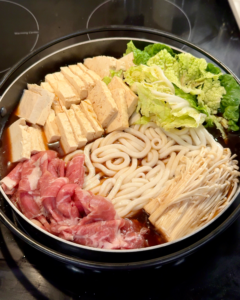
5. Serve Hot
Bring the pan straight to the table and serve family-style. For the traditional experience, dip the cooked beef into a raw beaten egg before eating.
Tips for the Best Sukiyaki
- Sear the beef first for richer flavor before adding the sauce.
- Add delicate greens (like chrysanthemum leaves) last to preserve color.
- Taste the sauce before adding all ingredients — adjust saltiness with water or sweetness with mirin/sugar.
- Cook in batches if your pan is small to avoid overcrowding.
Frequently Asked Questions
Can I make sukiyaki without sake?
Yes. You can substitute the sake with a mix of water and a splash of rice vinegar or omit it entirely — the mirin and soy sauce will still create great depth.
Can I use chicken or pork instead of beef?
Absolutely! Thinly sliced pork belly or chicken thigh works beautifully in this recipe.
What should I serve with sukiyaki hotpot?
Sukiyaki pairs wonderfully with steamed rice, pickled vegetables, or even a side of Japanese salad.
Storage & Reheating
Store any leftovers in an airtight container in the fridge for up to 2 days. Reheat gently in a pan over low heat, adding a splash of water or sauce if needed to loosen it up.
Sukiyaki Hotpot Recipe (Japanese Beef & Vegetable Hotpot)
Ingredients
Equipment
Method
- Make the Sauce: Combine soy sauce, mirin, sake, sugar, and water in a bowl. Stir until sugar dissolves.
- Prep Ingredients: Slice tofu, rinse mushrooms, chop cabbage, and loosen udon noodles if frozen.
- Assemble the Pan: In a wide, shallow skillet or sukiyaki pot, neatly arrange beef, tofu, mushrooms, cabbage, and noodles in clusters.
- Add Sauce: Pour the warishita sauce evenly over the ingredients and cover.
- Cook: Bring to a simmer over medium heat. Reduce to low and cook for 8–10 minutes, until beef is cooked through and vegetables are tender.
- Serve: Transfer the pan to the table and serve hot. Optionally, dip cooked meat into beaten egg before eating.
- Sear the Beef: Heat a sukiyaki pan over medium heat. Add 1–2 tsp sugar and a small drizzle of soy sauce or fat from the beef.
- Add a few slices of beef and lightly sear until caramelized.
- Add Sauce Gradually: Pour in part of the warishita sauce and begin adding tofu, cabbage, and mushrooms one section at a time.
- Simmer Gently: Let each batch simmer briefly before adding more ingredients and sauce. This ensures even cooking and concentrated flavor.
- Finish with Udon: Once everything is cooked, add the udon noodles at the end to soak up the remaining sauce.
- Serve Hot: Bring the pan to the table and enjoy with the optional egg dipping sauce.
Nutrition
Notes
- The lazy way is best for quick dinners — minimal cleanup and effort.
- The traditional method creates a richer, more layered flavor if you have time.
- Substitute napa cabbage with bok choy or spinach if unavailable.
- Leftovers can be refrigerated for up to 2 days.