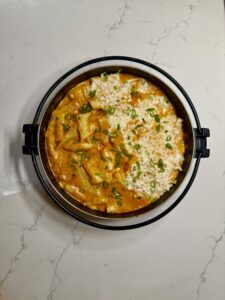

If you love bold, spicy flavors and creamy comfort food, this gochujang pasta recipe will completely transform your weeknight dinner routine. It’s one of those unexpectedly amazing fusion dishes that combines the richness of Western-style cream-based pasta with the spicy, savory depth of Korean gochujang. The result is a beautifully balanced bowl of noodles—saucy, silky, garlicky, a little sweet, and packed with umami from crispy bacon and soy sauce.
This dish came to life one weeknight when I was low on groceries and craving something cozy yet flavorful. I had bacon, garlic, gochujang paste, and a bit of cream in the fridge—plus pasta in the pantry—and decided to just wing it. What started as a “use what I have” moment turned into one of my favorite go-to dinners, and now it’s something I make at least once a month. My boyfriend absolutely devours it, and it’s one of those meals that feels indulgent but actually comes together in under 30 minutes.
Whether you’re new to Korean flavors or already obsessed with gochujang, this pasta is a must-try. It’s approachable, customizable, and totally addicting.
Why You’ll Love This Gochujang Pasta Recipe
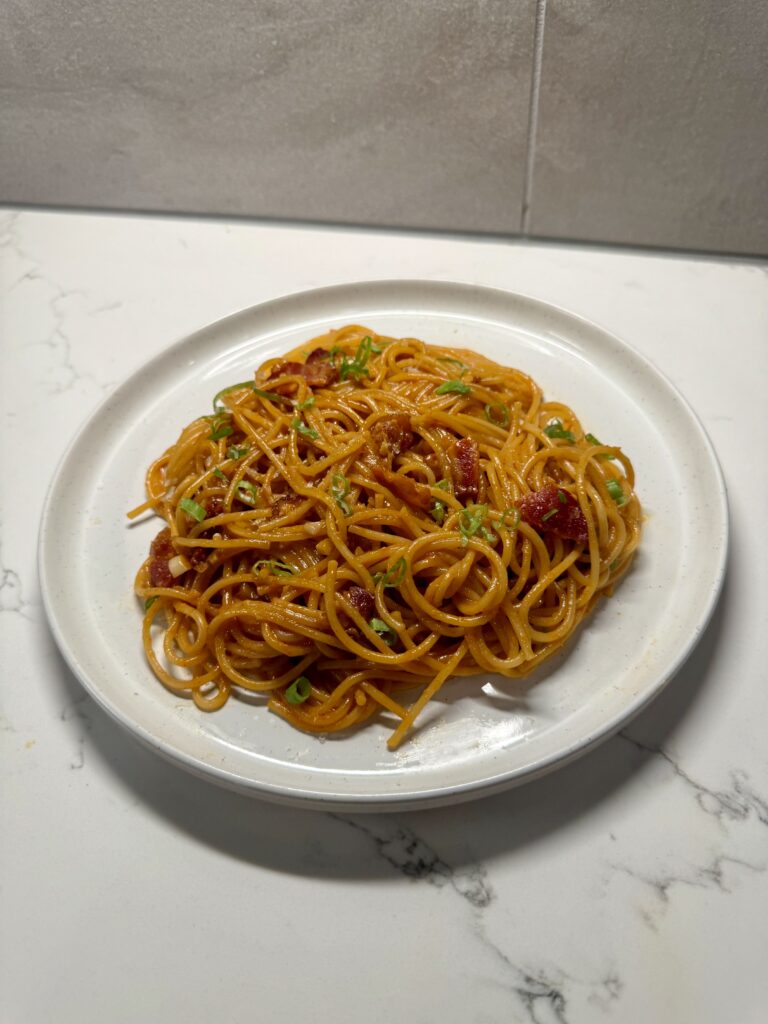
There are plenty of reasons this recipe belongs in your rotation—especially if you’re someone who craves bold flavors but doesn’t want to spend hours in the kitchen.
- Fast and easy: The entire dish takes about 25 minutes from start to finish.
- Minimal ingredients: Most of the sauce is made with pantry staples—gochujang, soy sauce, sugar, and rice vinegar.
- Creamy and spicy: You get a satisfying richness from the butter and cream, balanced by the heat and depth of the gochujang.
- Crispy bacon bits: They add a savory crunch and extra umami that ties everything together.
- Highly customizable: You can swap the bacon for mushrooms, add vegetables, or even make it vegetarian with a few simple tweaks.
- One-pot friendly: You only need one pot for boiling the pasta and one pan to make the sauce—less cleanup, more enjoyment.
This gochujang pasta recipe is a fun twist on Italian-Korean fusion that feels elevated without requiring professional cooking skills.
What Is Gochujang, and Why Does It Work in Pasta?
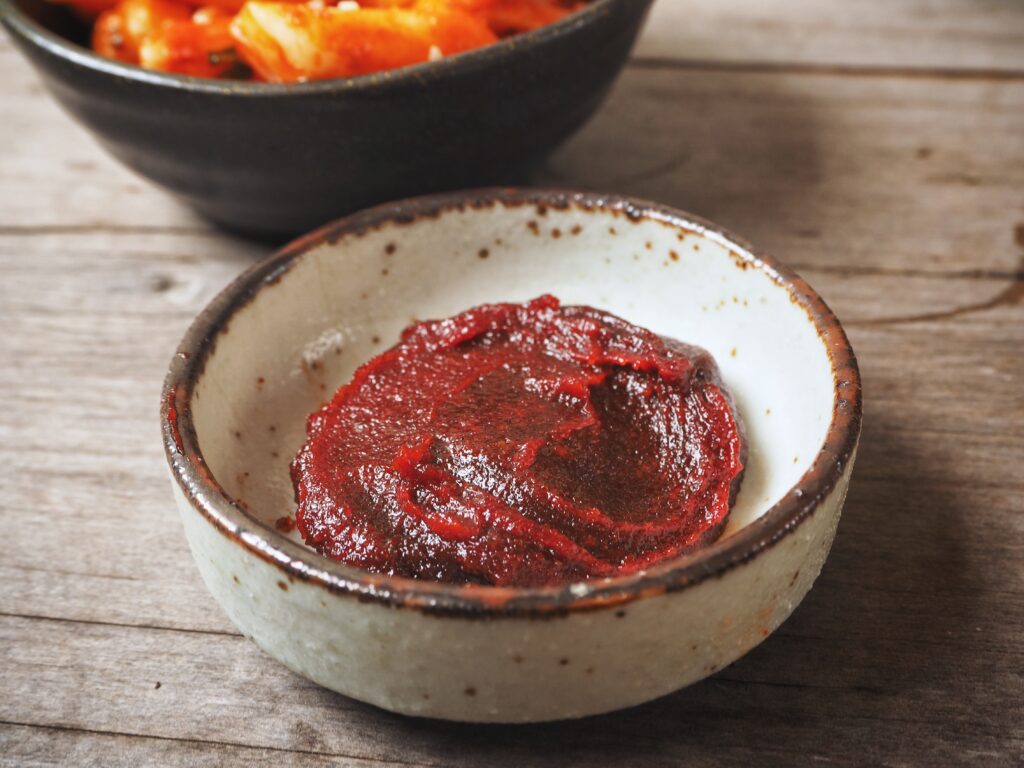
Gochujang is a Korean fermented chili paste made from red chili powder, glutinous rice, fermented soybeans, and salt. It’s spicy, but not in a sharp way—it has a deep, fermented heat that’s subtly sweet and savory at the same time.
In Korean cooking, it’s used in everything from bibimbap to tteokbokki. But in recent years, gochujang has gained international recognition and has found its way into Western-style dishes like burgers, tacos, and yes—pasta. The fermentation gives it a complexity that pairs surprisingly well with creamy dairy-based sauces, just like how tomato paste or miso enhances a cream sauce.
When blended with butter, garlic, soy sauce, and cream, gochujang becomes mellow and velvety while still holding onto its signature heat and tang. The result is a flavor bomb that coats the pasta perfectly and leaves you going back for more.
The Secret to Perfect Gochujang Pasta
To really nail this gochujang pasta recipe, here are a few tips and tricks I’ve learned from making this gochujang pasta recipe over and over again:
1. Use Gochujang Paste, Not Sauce
Look for the thick red paste that comes in rectangular tubs—this is the real deal. Gochujang “sauce” often includes extra sugar, oil, and other flavorings and is much milder.
2. Don’t Skip the Bacon Fat
After cooking the bacon, you’ll use a tablespoon or two of the rendered fat to sauté the garlic. This step adds an irreplaceable smoky richness to the sauce. If you’re using a vegetarian alternative, sauté the garlic in a combo of butter and olive oil instead.
3. Reserve Your Pasta Water
Before draining your noodles, save at least 1 cup of the starchy pasta water. It’s essential for loosening the sauce and helping it cling to the noodles.
4. Stir the Sauce Constantly
Once you add the gochujang and soy sauce to the garlic butter, stir continuously to prevent burning and to help emulsify the sauce. It should bubble and thicken within 3–4 minutes.
5. Add Cream Off the Heat
Cream can break or curdle if overheated. Remove the sauce pan from the heat before stirring in the heavy cream for a smooth, silky finish.
Ingredient Substitutions and Customizations
This gochujang pasta recipe is very flexible. Here are some ideas to switch it up:
- Pasta: Spaghetti, linguine, fettuccine, or even ramen noodles work well. For a gluten-free version, use your favorite GF pasta.
- Protein: Swap bacon with pancetta, turkey bacon, or sautéed mushrooms for a vegetarian option. Shrimp is another amazing protein option here.
- Dairy-free: Use a plant-based butter and coconut cream instead of dairy.
- Extra veg: Add spinach, mushrooms, or thinly sliced bell peppers for more texture and nutrients.
- Toppings: Scallions add freshness, while sesame seeds give a little crunch. A fried or poached egg on top also turns this into a more luxurious meal.
What to Serve with this Gochujang Pasta Recipe
This dish is super satisfying on its own, but here are a few pairing ideas if you’re looking to round out the meal:
- Simple side salad: Something fresh with a vinaigrette can help balance the creaminess.
- Pickled vegetables: Kimchi or quick-pickled cucumbers work great to cut the richness.
- Egg on top: A runny fried or soft-boiled egg adds extra indulgence.
Storage and Reheating
This pasta stores well in the fridge for up to 3 days. When reheating, add a splash of water or milk to loosen the sauce, and warm it over low heat. I don’t recommend freezing this one, as the cream can separate.
FAQs About Gochujang Pasta
How spicy is this gochujang pasta recipe?
It has a medium level of heat. Gochujang is spicy, but the sugar, cream, and butter mellow it out. You can adjust the amount of gochujang depending on your spice tolerance.
Can I make it vegetarian?
Absolutely. Use sautéed mushrooms, tempeh, or tofu instead of bacon and skip the bacon fat step. The rest of the recipe remains the same.
Can I use milk instead of heavy cream?
You can, but the sauce won’t be as thick or rich. For best results, stick with heavy cream or use a splash of half-and-half and reduce it slightly longer.
Where can I buy gochujang?
Most Asian grocery stores carry it, and now many mainstream grocery stores (like Whole Foods or Target) stock it in the international aisle. You can also find it online here.
What pasta works best for this recipe?
Spaghetti, linguine, or fettuccine are all great choices. You want a noodle that holds onto sauce well.
Final Thoughts
This gochujang pasta recipe is the kind of meal that hits all the right notes—creamy, spicy, garlicky, and just a little bit indulgent. It’s become a go-to comfort dish in my home, especially when I want something fast, flavorful, and deeply satisfying. If you’re looking to spice up your pasta nights, this recipe is an easy win.
Don’t forget to save or pin this post so you can come back to it later. And if you try it, tag me @ivyskitchn so I can see your delicious creations!
Video Tutorial
Checkout the video tutorial that I made below as a visual guide!
Creamy Gochujang Pasta Recipe with Garlic Butter and Bacon
Ingredients
Method
- Bring a large pot of salted water to a boil. Cook pasta according to package directions. Reserve 1 cup of pasta water, then drain.
- In a large skillet, cook chopped bacon over medium heat until crispy. Remove and set aside, leaving 1–2 tbsp bacon fat in the pan.
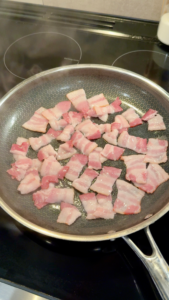
- Add 4 tbsp butter to the pan with the bacon fat. Add garlic and sauté over medium-low heat until softened and fragrant, about 1–2 minutes.
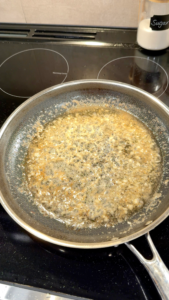
- Stir in gochujang, sugar, soy sauce, and vinegar. Simmer over medium-high, stirring constantly for 3–4 minutes, until thickened.
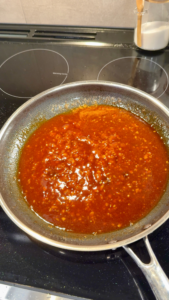
- Remove from heat. Stir in the heavy cream and half the bacon. Taste and adjust seasoning.
- Add pasta. Toss well, adding pasta water as needed until the sauce is glossy and coats the noodles.
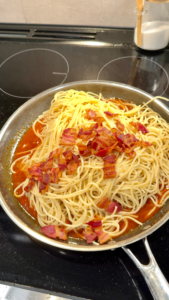
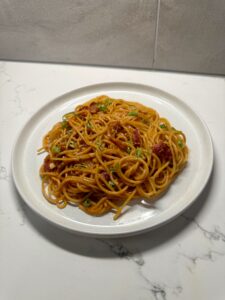
- Top with remaining bacon and optional scallions or cilantro. Serve immediately.
Nutrition
Notes
FAQs About Gochujang Pasta
How spicy is this gochujang pasta recipe?It has a medium level of heat. Gochujang is spicy, but the sugar, cream, and butter mellow it out. You can adjust the amount of gochujang depending on your spice tolerance. Can I make it vegetarian?
Absolutely. Use sautéed mushrooms, tempeh, or tofu instead of bacon and skip the bacon fat step. The rest of the recipe remains the same. Can I use milk instead of heavy cream?
You can, but the sauce won’t be as thick or rich. For best results, stick with heavy cream or use a splash of half-and-half and reduce it slightly longer. Where can I buy gochujang?
Most Asian grocery stores carry it, and now many mainstream grocery stores (like Whole Foods or Target) stock it in the international aisle. You can also find it online. What pasta works best for this recipe?
Spaghetti, linguine, or fettuccine are all great choices. You want a noodle that holds onto sauce well.