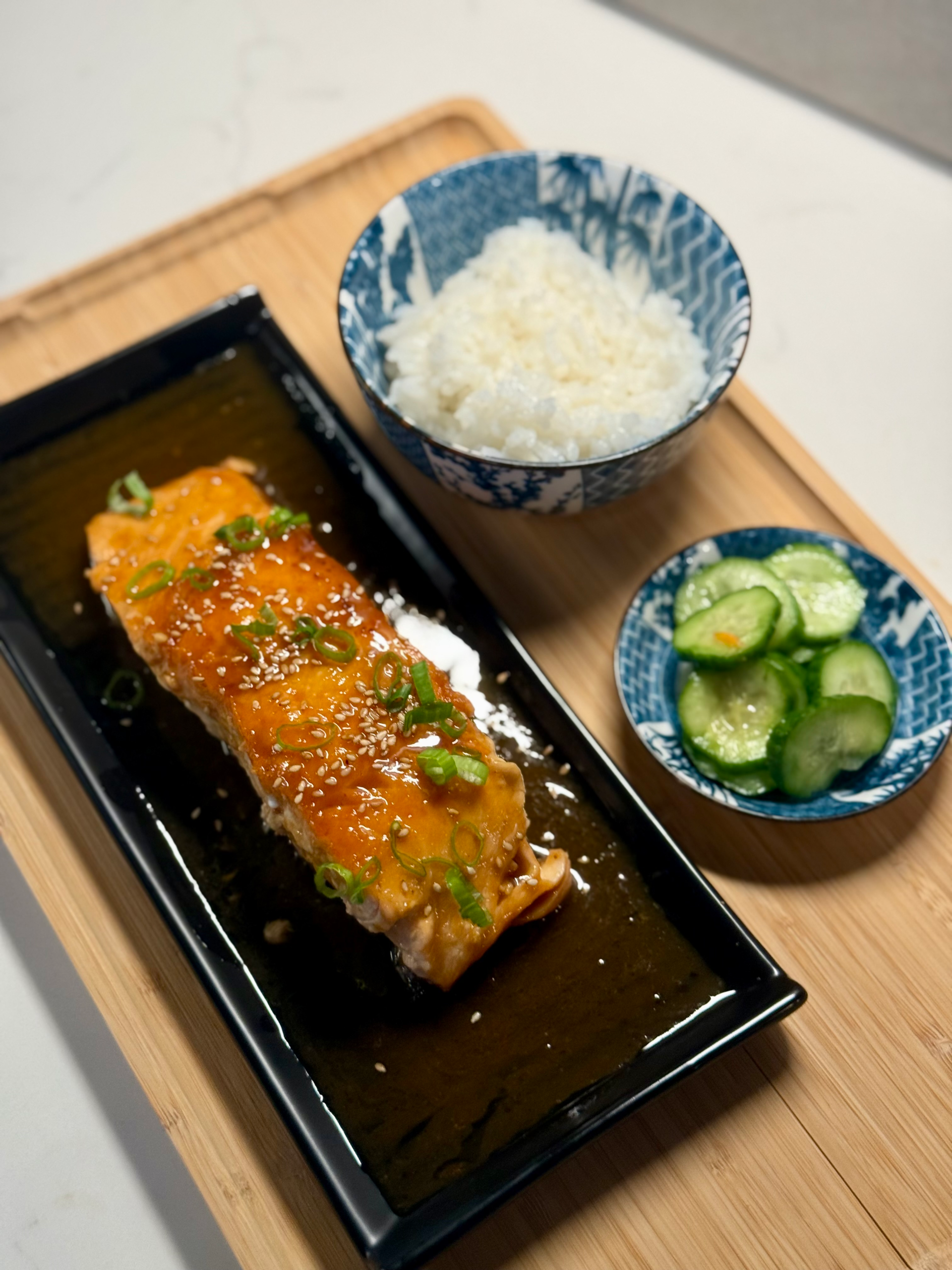
There’s something so comforting about pan seared salmon, especially when it’s brushed with rich miso butter and pan-seared to golden perfection. This miso salmon recipe was inspired by the meals I had in Japan, where breakfast often meant much more than cereal or toast. Think: warm bowls of rice, steaming miso soup, and the savory aroma of perfectly cooked salmon. It was humble but deeply satisfying.
When I returned home, I found myself longing for those Japanese breakfasts — the kind that gently woke up your senses and made you feel grounded before the chaos of the day. One evening after work, still craving that feeling, I set out to recreate it in my own way: with a silky, buttery miso glaze that could coat a pan-seared salmon fillet and still capture that nostalgic warmth. And that’s how this miso salmon recipe came to be.
What Makes This Miso Salmon Recipe So Good?
There are thousands of salmon recipes on the internet — from honey glazed to teriyaki, grilled to baked. But what sets this miso salmon recipe apart is its balance of flavor and texture, inspired by traditional Japanese cooking but with my own cozy, home-cooked twist.
The glaze starts with white miso, a fermented soybean paste that’s milder and sweeter than darker misos. It’s then combined with soy sauce, mirin, sake, and sugar for the ultimate umami-packed sauce. A touch of butter rounds it out and adds richness, while a quick cornstarch slurry transforms it into a glossy glaze that beautifully clings to every bite of salmon.
Unlike traditional Japanese broiled salmon, this recipe is pan-seared, giving the salmon a crisp edge and golden finish, then basted in the warm miso butter sauce. It’s a blend of classic technique and weeknight convenience that works whether you’re feeding yourself or someone you love.
A Taste of Japan at Home
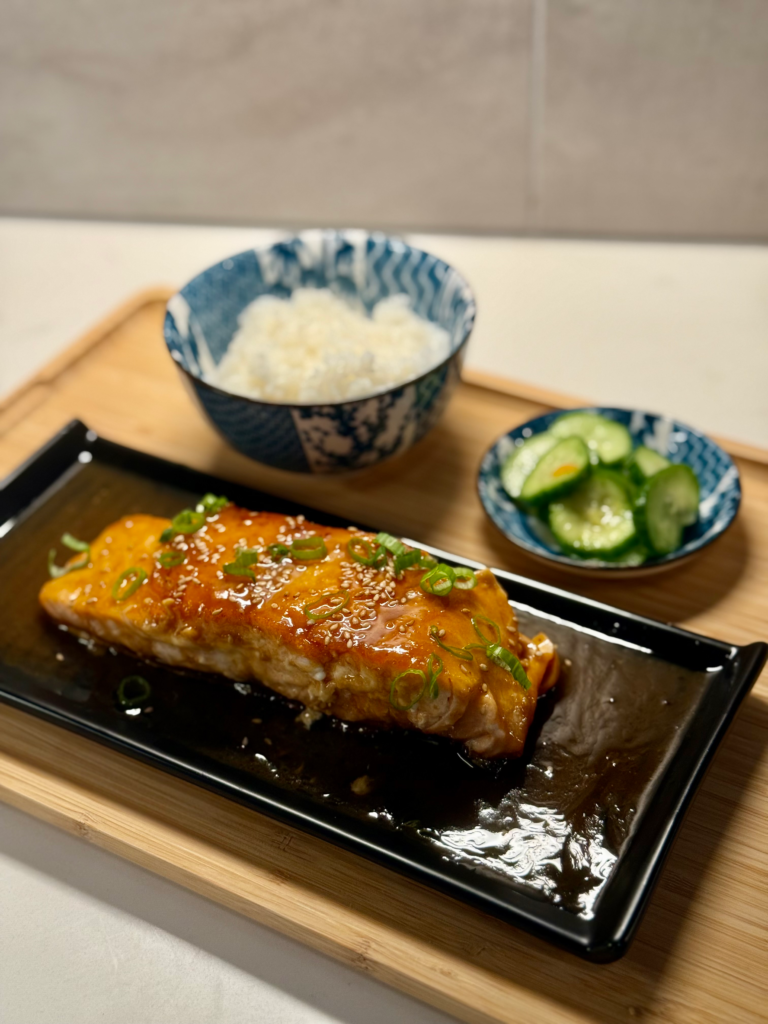
During my stay in Japan, one of the most surprising joys was breakfast. It wasn’t about pastries or coffee. It was deeply nourishing — featuring rice, pickled vegetables, soft tofu, and a small, beautifully prepared piece of fish. Usually grilled or broiled, that salmon was never overly seasoned or fancy. It was simple, satisfying, and deeply rooted in tradition.
Back in San Diego, I missed that ritual. I wanted to start my day — or end it — with something that felt equally grounding. That’s when I developed this miso salmon recipe. I doubled the sauce for extra richness, skipped the mushrooms to keep it light, and thickened it with cornstarch for that perfect glaze. It’s not a traditional breakfast, but it gives me the same comforting feeling.
And the best part? You can make it in under 30 minutes — meaning it works for breakfast, lunch, or dinner.
Tips for Cooking Salmon Perfectly
Cooking salmon at home can be intimidating — especially if you’re trying not to overcook it. Here are a few tips I’ve picked up over time to make your miso salmon recipe foolproof:
1. Start Skin-Side Down
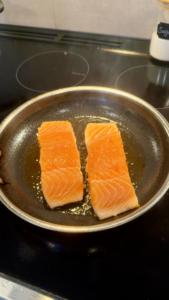
Actually, I like to start flesh-side down in this recipe to get a nice golden sear — but make sure to monitor closely so it doesn’t overcook. The goal is to get that ¼ inch color change along the side, which tells you how far it’s cooked through.
2. Let the Butter Work Its Magic
Once you flip the salmon to skin-side down, add the butter and spoon it over the top while it finishes cooking. This not only infuses the fish with flavor, but also keeps it moist and tender.
3. Use the Slurry Smartly
The cornstarch slurry should be added after the sauce simmers a bit. Stirring it in while the sauce is warm will thicken it into a silky glaze that makes this dish feel gourmet with minimal effort.
Why This Miso Salmon Recipe Is Also Nutritionally Balanced
This dish is not only flavorful, it’s good for you too. Salmon is rich in omega-3 fatty acids, vitamin B12, and protein, making it one of the most nutrient-dense proteins you can eat. The miso paste adds probiotics and natural umami, while the soy sauce and mirin bring minerals and flavor without needing heavy seasoning.
If you’re trying to eat healthier, skip the rice and serve this salmon with sautéed greens, roasted sweet potato, or even a fresh cucumber salad. Personally, I love pairing it with rice and steamed bok choy for that true Japanese-inspired meal.
Ingredient Notes: Why White Miso?
This miso salmon recipe calls for white miso (shiro miso), which is the mildest and sweetest type of miso. It’s perfect for sauces like this because it’s not too salty or overpowering. You can find it in the refrigerated section of Asian markets or many health food stores.
If you only have red miso or awase miso, feel free to use them — just note that the flavor will be bolder, saltier, and a bit funkier. I recommend adjusting the soy sauce down slightly if substituting with a darker miso.
🍚 How to Serve Your Miso Salmon
This recipe is incredibly versatile. Here are a few ideas for how to serve it:
- With white or brown rice and steamed vegetables for a classic meal
- Over soba noodles with sesame oil and shredded cabbage
- Flaked into a rice bowl with avocado and a soft-boiled egg
- Chilled and sliced over a Japanese-style salad with ginger dressing
- For a light breakfast, serve it with miso soup, pickles, and rice
✨ Want a low-effort pairing? Try my Lazy Girl Cucumber Salad.
Social Sharing Tip
If you try this recipe, don’t forget to tag me @ivyskitchn on Instagram! I’d love to see how your version turns out. Use the hashtag #ivyskitchn so others can find it too.
Leftover Tips & Storage
This miso salmon keeps well and makes great leftovers. Here’s how I recommend storing and reusing it:
- Fridge: Store in an airtight container for up to 3 days.
- Freezer: Let cool completely, then freeze in a freezer-safe container or bag for up to 1 month.
- To Reheat: Warm in a nonstick pan with a splash of water or stock over low heat, or microwave in 30-second intervals covered with a damp paper towel to avoid drying out.
You can also flake the cold salmon into a salad, rice bowl, or even a wrap with spicy mayo.
Final Thoughts: A Recipe That Feels Like Home
This miso salmon recipe isn’t just another weeknight dinner — it’s my way of bringing a little bit of Japan back into my kitchen. It reminds me to slow down, to cook something nourishing, and to enjoy the simple beauty of well-prepared fish and rice.
If you’ve been craving something cozy, umami-rich, and deeply satisfying, this is the recipe to try next. It’s also a great introduction to Japanese-style cooking if you’re new to miso or have salmon fillets sitting in your freezer waiting for a glow-up.
Frequently Asked Questions (FAQ)
What kind of miso should I use for miso salmon?
For this miso salmon recipe, white miso (shiro miso) is ideal. It’s mildly sweet, less salty than red miso, and creates a balanced glaze. You can find it in the refrigerated section of Asian grocery stores or health food markets.
Can I substitute white miso with red miso or awase miso?
Yes, but the flavor will be stronger and saltier. If you’re using red miso or mixed miso (awase), reduce the soy sauce slightly to balance the salt levels. Taste your sauce before adding to the salmon and adjust as needed.
Do I have to use sake?
Sake adds depth and umami, but you can substitute with dry white wine or even water if you don’t have sake on hand. Just know that the final flavor may be slightly less complex.
Can I bake instead of pan-frying the salmon?
Yes! To bake, preheat your oven to 400°F (200°C) and cook the salmon for 10–12 minutes. Broil for the last 2 minutes to caramelize the top. You can pour the miso sauce over the salmon before baking or reduce it separately on the stove and drizzle it on after.
How do I know when salmon is cooked through?
Cooked salmon should be opaque and flake easily with a fork, but still moist in the center. A little pink in the middle is fine — it will continue cooking from residual heat. Internal temperature should reach 125–130°F (52–54°C) for medium.
Can I meal prep this miso salmon recipe?
Absolutely. It stores well in the fridge for up to 3 days and can be eaten cold or reheated gently. You can also flake it over rice bowls, salads, or noodles for lunch the next day.
Is this miso salmon recipe gluten-free?
It can be! Just substitute the soy sauce with gluten-free tamari and make sure your miso paste is labeled gluten-free. Most white miso is naturally gluten-free, but always check the packaging.
How can I make the sauce thicker without flour?
This recipe uses a cornstarch slurry (cornstarch + cold water) to thicken the sauce without flour. It’s quick, gluten-free, and results in a glossy glaze that clings beautifully to the salmon.
What can I serve with miso butter salmon?
Some great side dish pairings include:
- Steamed rice or sushi rice
- Sautéed bok choy or spinach
- Japanese cucumber salad
- Roasted sweet potatoes
- Miso soup and pickled vegetables for a full Japanese-style meal
Can I freeze miso salmon?
Yes. Let it cool completely, then freeze in a sealed container for up to 1 month. To reheat, thaw in the fridge overnight and warm gently on the stove or microwave with a splash of water to prevent drying.
Video Tutorial
Checkout the video tutorial I have below as a visual guide!
Miso Salmon Recipe (with White Miso Butter Glaze)
Ingredients
Method
- In a small bowl, whisk together the white miso paste, sugar, sake, mirin, and soy sauce until smooth. This will form the flavorful base of your miso salmon recipe.
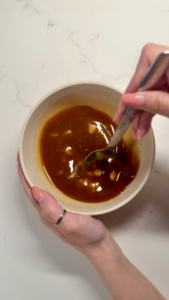
- Separately, mix the cornstarch and cold water in a small bowl to make your slurry. Set both aside.
- Pat the salmon fillets dry with paper towels and check for any pin bones. Season both sides of each fillet lightly with kosher salt and freshly ground black pepper.
- Heat a large nonstick or stainless steel skillet over medium heat. Add the neutral oil. Once hot, place the salmon fillets flesh-side down and cook undisturbed for about 5 minutes, or until the edges begin to turn opaque and golden.
- Carefully flip the salmon to skin-side down and continue cooking for another 5 minutes. Then, gently sear the edges by turning the fillets on each side for about 30 seconds to 1 minute, until the salmon is just cooked through.
- Reduce the heat to low. Add the unsalted butter to the pan and let it melt, basting the salmon gently with the melted butter.
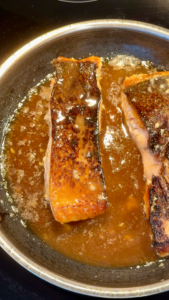
- Pour in your prepared miso glaze and allow it to simmer for about 1 minute to warm through and slightly reduce.
- Stir in your cornstarch slurry and continue to cook for another 1–2 minutes, stirring gently, until the sauce thickens into a shiny, rich glaze that clings to the salmon.
- This step elevates the miso salmon recipe by giving it that restaurant-quality texture and flavor.
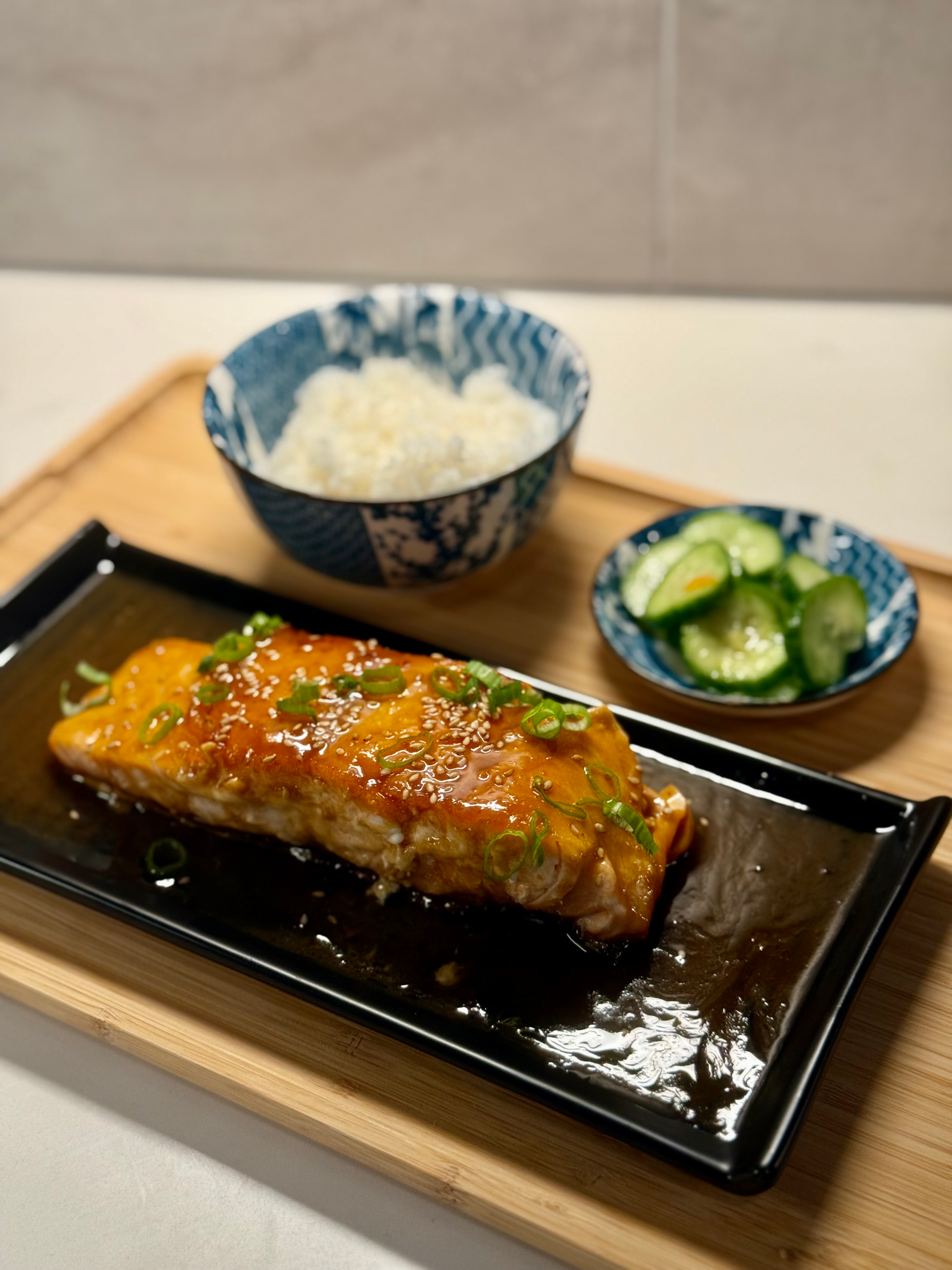
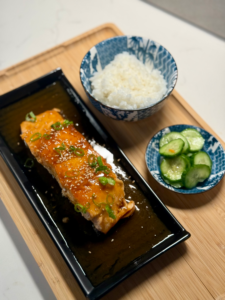
- Transfer the glazed salmon to serving plates. Spoon the extra miso butter sauce from the pan over the top. Garnish with chopped chives and toasted sesame seeds for added flavor and texture.
Nutrition
Notes
COMMON FAQs
What kind of miso should I use for miso salmon?
For this miso salmon recipe, white miso (shiro miso) is ideal. It’s mildly sweet, less salty than red miso, and creates a balanced glaze. You can find it in the refrigerated section of Asian grocery stores or health food markets.Can I substitute white miso with red miso or awase miso?
Yes, but the flavor will be stronger and saltier. If you’re using red miso or mixed miso (awase), reduce the soy sauce slightly to balance the salt levels. Taste your sauce before adding to the salmon and adjust as needed.Do I have to use sake?
Sake adds depth and umami, but you can substitute with dry white wine or even water if you don’t have sake on hand. Just know that the final flavor may be slightly less complex.Can I bake instead of pan-frying the salmon?
Yes! To bake, preheat your oven to 400°F (200°C) and cook the salmon for 10–12 minutes. Broil for the last 2 minutes to caramelize the top. You can pour the miso sauce over the salmon before baking or reduce it separately on the stove and drizzle it on after.How do I know when salmon is cooked through?
Cooked salmon should be opaque and flake easily with a fork, but still moist in the center. A little pink in the middle is fine — it will continue cooking from residual heat. Internal temperature should reach 125–130°F (52–54°C) for medium.Can I meal prep this miso salmon recipe?
Absolutely. It stores well in the fridge for up to 3 days and can be eaten cold or reheated gently. You can also flake it over rice bowls, salads, or noodles for lunch the next day.Is this miso salmon recipe gluten-free?
It can be! Just substitute the soy sauce with gluten-free tamari and make sure your miso paste is labeled gluten-free. Most white miso is naturally gluten-free, but always check the packaging.How can I make the sauce thicker without flour?
This recipe uses a cornstarch slurry (cornstarch + cold water) to thicken the sauce without flour. It’s quick, gluten-free, and results in a glossy glaze that clings beautifully to the salmon.What can I serve with miso butter salmon?
Some great side dish pairings include:- Steamed rice or sushi rice
- Sautéed bok choy or spinach
- Japanese cucumber salad
- Roasted sweet potatoes
- Miso soup and pickled vegetables for a full Japanese-style meal